When Two Voices Become One Muddy Sound: Protecting Your Vision in Collaborative Work
There's a version of collaboration that feels like magic. Two people, complementary strengths, a shared goal — and what comes out the other side is genuinely better than either of you could've made alone. Those stories exist. They're real.
But there's another version that nobody talks about as much. The one where you start with a clear idea, bring someone else into the room, and slowly watch your original vision get sanded down into something unrecognizable. Something safe. Something that feels like it was designed by committee, because it was.
I've been on both sides of that experience. And I think a lot of creators have, too — they just don't always name it for what it is.
The Problem Isn't Collaboration. It's the Wrong Collaboration.
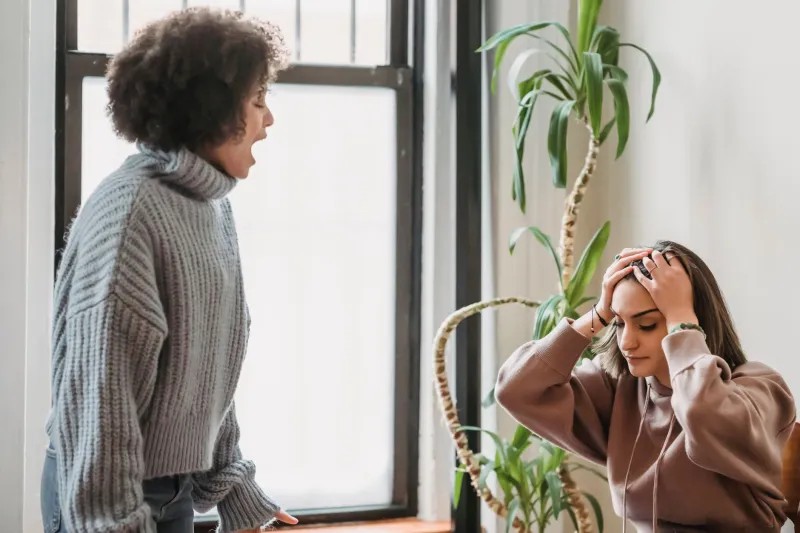
Let's be clear upfront: working with other people isn't inherently bad for your creative output. The issue is something more specific — the slow erosion that happens when two distinct creative voices are forced to merge without any clear understanding of whose instincts lead.
Think about a musician who spends two years developing a particular sonic identity, then agrees to co-write an album with someone whose tastes run in a completely different direction. If neither person establishes creative hierarchy early on, every decision becomes a negotiation. Every strong choice gets softened. The result often sounds like nothing in particular — not bad, exactly, but stripped of the very thing that made each artist interesting in the first place.
This happens in visual art, in writing, in filmmaking, in game design. The medium changes. The dynamic doesn't.
When the Relationship Becomes the Project
Here's where it gets really complicated: a lot of collaborative projects aren't just about the work. They're also about the relationship. A friend pitches you on a joint venture. A mentor wants to co-author something with you. A peer you respect suggests combining your audiences.
Suddenly declining the collaboration isn't just a creative decision — it feels like a personal one. And that's where a lot of creators get stuck. They say yes to the partnership because they don't want to damage the relationship, and then spend six months resenting the work because it was never really theirs to begin with.
I've watched this happen up close. A writer I know agreed to co-author a project with a longtime friend because turning it down felt like a rejection of the friendship itself. By the end, the friendship was strained anyway — because the work had become a source of constant low-grade conflict, and neither of them had the language to talk about why.
The irony is brutal. Saying yes to protect the relationship ended up putting the relationship at risk.
A Framework for Thinking It Through Before You Commit
So how do you figure out whether a collaboration is worth pursuing? Here are a few questions worth sitting with before you shake hands on anything:
Who owns the original vision? If the project originated with you, be honest about whether you're willing to let it evolve into something you didn't envision. If the answer is no, that's not a character flaw — it's useful information.
What's the decision-making structure? Creative disagreements are inevitable. How will you resolve them? If there's no answer to that question before you start, you'll be improvising it under pressure later, which is the worst time to figure it out.
What happens if it doesn't work? Not just to the project, but to the relationship. Can you both survive a creative falling-out? If the relationship can't withstand honest disagreement about the work, that's worth knowing now.
Are you saying yes to the project or to the person? These are different things, and conflating them leads to real problems. You can value someone enormously and still not be the right creative partners.
The Harder Conversation: Saying No
Deciding not to collaborate — especially with someone you care about — is genuinely uncomfortable. There's no clean script for it. But there are a few ways to frame it that tend to land better than others.
Being specific helps. "I don't think our creative instincts are compatible on this particular type of project" is more honest and less damaging than a vague excuse. It respects the other person enough to give them something real.
Offering an alternative also helps. Maybe you can't co-create something, but you could give feedback, offer a signal boost, or collaborate in a more limited way that doesn't require merging visions entirely.
And sometimes — not always, but sometimes — the most honest thing you can say is: "This project matters too much to me to share the wheel on it." A real creative peer will understand that. If they don't, that's also useful information.
When You're Already In and Realizing It's Wrong
Some of the hardest situations aren't the ones where you can evaluate the collaboration before it starts. They're the ones where you're already six weeks in, you've made public announcements, and you're starting to realize this isn't going the way you hoped.
First: that feeling is data. Don't dismiss it.
Second: the earlier you address it, the better. Waiting it out rarely makes the misalignment resolve itself. It usually just deepens it.
Third: it's okay to change course. Finishing something bad because you committed to it isn't noble — it's just finishing something bad. Sometimes the right move is an honest conversation that restructures the whole arrangement, even if that's awkward.
The Work Is Worth Protecting
None of this means you should work alone forever or treat every collaboration with suspicion. Some of the most interesting creative work in any field comes from genuine partnership.
But your individual voice — the thing that makes your work distinctly yours — is worth protecting. Not out of ego, and not out of a refusal to grow. Out of the simple recognition that diluted vision rarely serves anyone well. Not you, not the audience, and honestly not your collaborator either.
The best creative partnerships are ones where both people come in clear-eyed about what they're building together, and honest about what they're each willing to bend on. Everything else is just hoping for the best and calling it collaboration.